We are Funded! Check our Crunchbase Profile


Virtual Apparel Try-On for Fashion and Retail

Problem Statement
Customers struggle to visualize how clothing will look on different body types, skin tones, and poses when shopping online. This leads to low conversion rates and high return volumes, increasing logistics and operational costs.
AI Implementation Approach
Use generative image models to virtually place apparel onto human models by preserving garment design while adapting fit, drape, and appearance across different models. The system generates realistic try-on visuals without requiring physical photoshoots for each variant.
Input 1
Industry
Fashion brands
apparel retailers
D2C clothing companies
online marketplaces
Product Image
Human Image
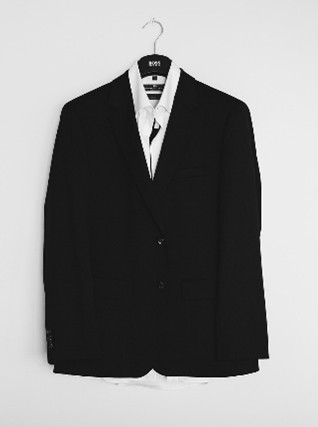
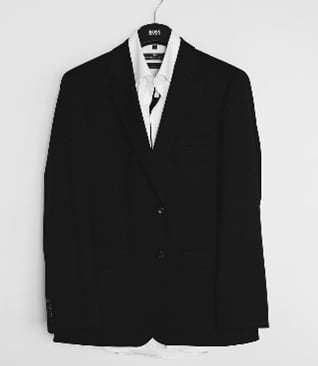
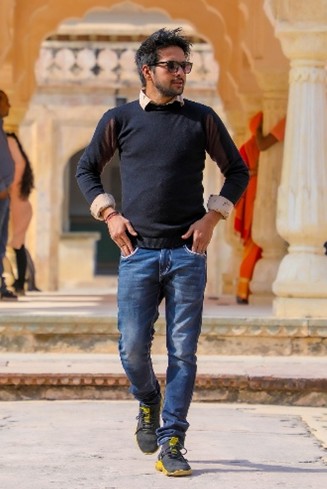
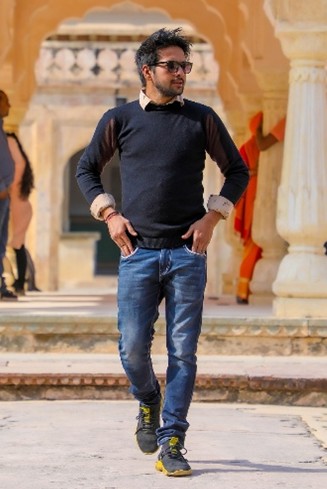
Output 1
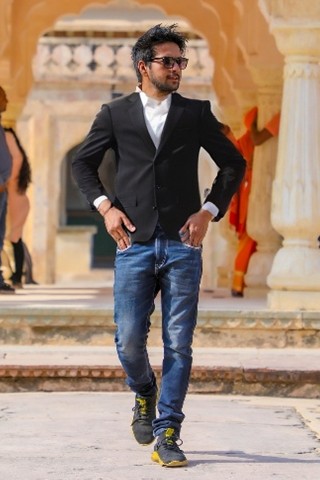
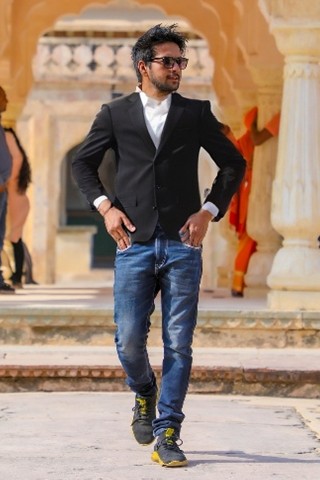
Input 2
Output 2
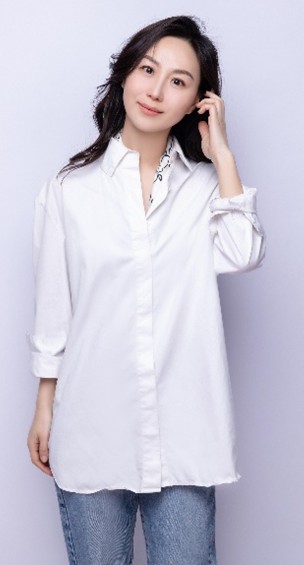
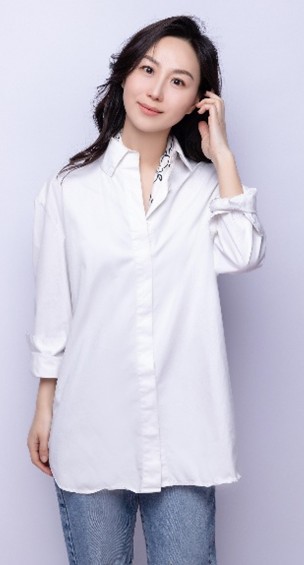
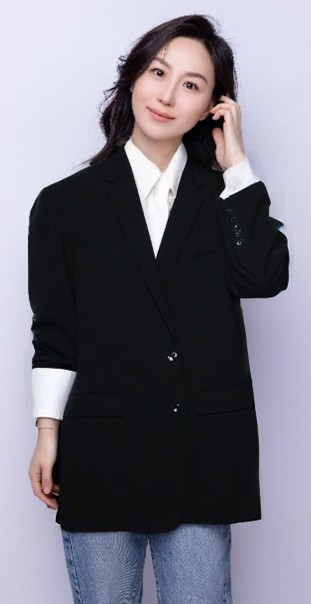
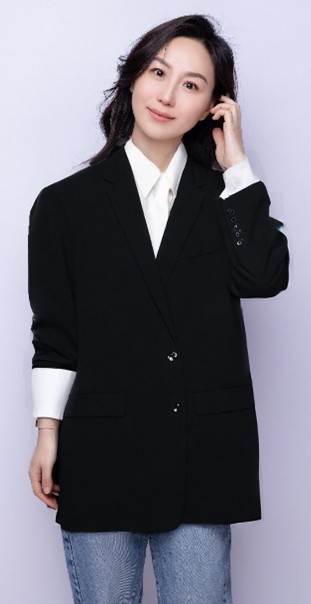
Product Image
Human Image
Supported Garment Categories
Upper Body: Shirts, jackets, sweaters
Lower Body: Pants, skirts, shorts
Full Body: Dresses, jumpsuits
Footwear: Shoes, boots, sandals
Accessories: Bags, jewelry, hats
Key Benefits Across all Metrics
Cost Reduction
Time Efficiency
Scalability
Personalization
Eliminate expensive photo shoots for every product variation.
Generate multiple visualizations in minutes vs. hours/days.
Handle large product catalogs efficiently
Create customer-specific visualizations.
Improved Conversion
Better product visualization leads to higher purchase confidence
Detail Preservation
Maintain important product details while creating realistic visualizations.
Natural Draping
Garments appear naturally fitted and positioned.
Quality Options
Multiple merge styles for different quality/seamlessness needs
Frequently asked questions
1. What is Virtual Apparel Try-On?
Virtual Apparel Try-On is an AI-powered solution that digitally places clothing onto human models, allowing shoppers to see how apparel looks on different body types, skin tones, and poses without physical photoshoots.
2. How does AI Virtual Try-On work?
The system uses generative image models to merge a product image with a human image while preserving garment design, fit, drape, and texture, producing realistic try-on visuals in minutes.
3. Which fashion businesses can use Virtual Try-On?
Virtual Try-On is ideal for fashion brands, apparel retailers, D2C clothing companies, and online marketplaces selling clothing, footwear, or accessories.
4. What types of clothing are supported?
The solution supports upper body wear (shirts, jackets, sweaters), lower body wear (pants, skirts, shorts), full body outfits (dresses, jumpsuits), footwear, and fashion accessories like bags, jewellery, and hats.
5. Does Virtual Try-On reduce product returns?
Yes. By helping customers better visualize fit and appearance before purchase, Virtual Try-On significantly reduces size- and expectation-related returns.
6. How does Virtual Try-On improve conversion rates?
Realistic and personalized product visuals increase buyer confidence, leading to higher engagement, longer session times, and improved purchase conversions..
7. Is a physical photoshoot required?
No. Virtual Try-On eliminates the need for expensive photoshoots by generating multiple model and pose variations digitally from a single product image.
8. Can the system handle large product catalogs?
Yes. The solution is highly scalable and can generate thousands of try-on images efficiently, making it suitable for large and frequently updated catalogs.
9. Does the AI preserve garment details?
Yes. The technology maintains critical garment details such as fabric texture, patterns, stitching, and color accuracy while adapting the fit naturally to different models.
10. How realistic is the garment fit and drape?
The AI ensures natural draping and realistic positioning, making garments appear properly worn rather than digitally overlaid.
11. Can Virtual Try-On be personalized for individual customers?
Yes. The system can generate customer-specific visualizations based on body type, skin tone, and pose, enabling a personalized shopping experience.
12. How fast are Virtual Try-On images generated?
Multiple high-quality try-on images can be generated within minutes, compared to hours or days required for traditional photoshoots.
13. Are multiple image quality options available?
Yes. The platform supports different merge styles, allowing brands to choose between speed-optimized or high-seamlessness visual outputs.
14. Does Virtual Try-On support footwear and accessories?
Yes. Shoes, boots, sandals, bags, jewellery, and hats can also be virtually placed on models with accurate positioning and realism.
15. What business problems does Virtual Try-On solve?
It reduces visualization uncertainty, lowers return rates, cuts photoshoot costs, speeds up content creation, and improves overall online shopping experience.

Integrate those solutions in your company
Contact below and let us design and integrate solutions tailored to your business needs


We help businesses like yours implement practical AI tools that solve specific problems, reduce costs, and create competitive advantages—without the complexity and risk of traditional AI projects.
4th Floor, Chidanand Heights
Manish Nagar, Nagpur - 440025
Maharashtra, India
3235 Industrial Way, STE G
Snellville,GA 30039, USA
Contact Us